
Separation anxiety is real distress when a dog is left alone, not bad behaviour or spite. Signs include barking, howling, pacing, destruction, accidents, and escape attempts that happen mainly when you are away. With patience, gradual training, and sometimes veterinary help, it can improve. Midtown Veterinary Hospital in Victoria can guide you.
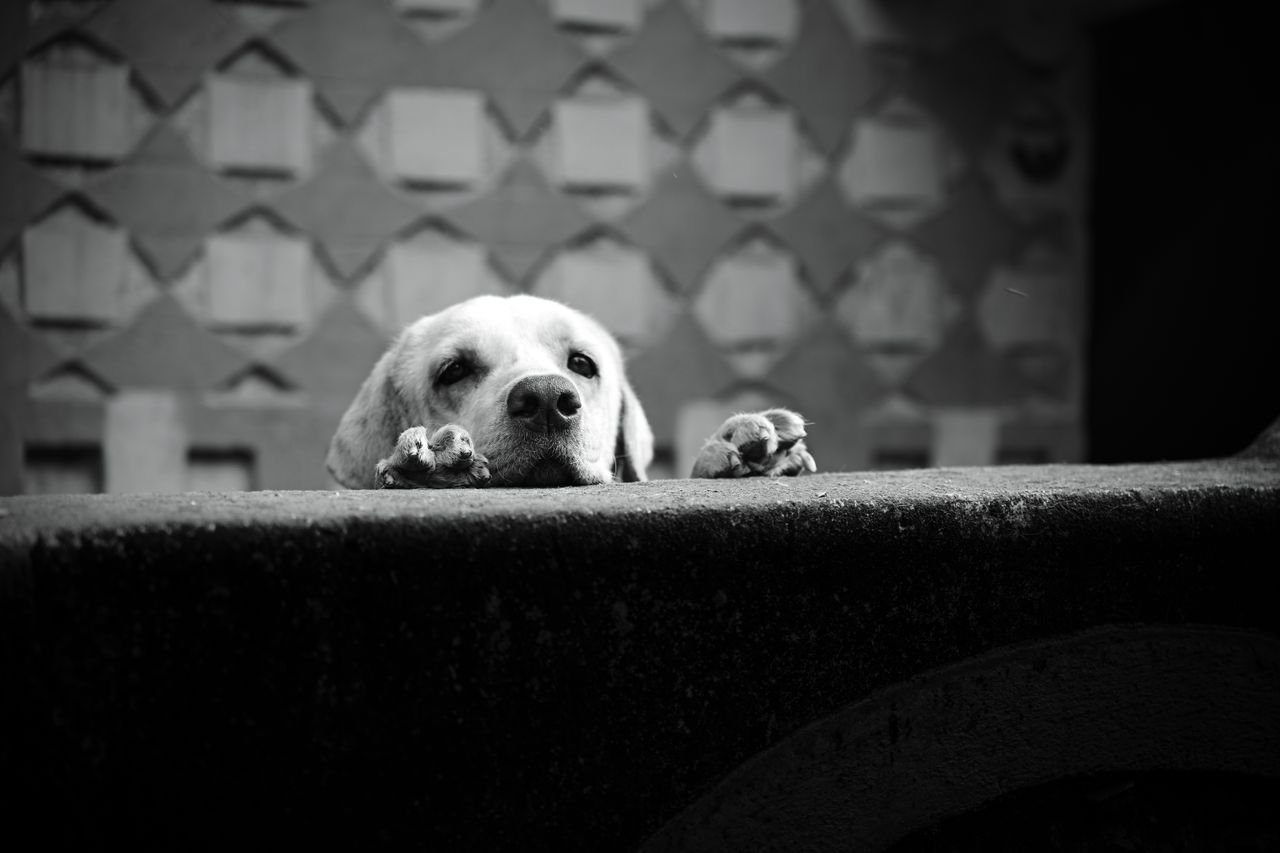
What separation anxiety really is
Separation anxiety is a genuine panic response that some dogs feel when separated from their people, not a dog being stubborn or getting even. To the dog, being left alone feels frightening and overwhelming, and the behaviours that follow are an expression of that fear. Understanding this is the first step, because it shifts the goal from punishing a behaviour to helping a dog feel safe, which is the only approach that truly works.
Signs to watch for
The hallmark of separation anxiety is that the behaviour happens specifically when the dog is alone or being left. Common signs include:
- Barking, howling, or whining soon after you leave
- Destructive chewing or scratching, often at doors and windows
- House soiling in a dog who is otherwise reliably trained
- Pacing, drooling, or restlessness as you prepare to go
- Attempts to escape, sometimes causing injury
- Following you closely and becoming distressed at departure cues
Why separation anxiety happens
There is rarely a single cause. A change in routine, a move, the loss of a family member or another pet, a long stretch of constant companionship followed by sudden alone time, or simply an individual sensitivity can all play a role. Some dogs are more prone than others. Whatever the trigger, the good news is that the condition responds to a patient, structured plan rather than requiring you to pinpoint exactly why it began.
Ruling out other causes first
Not every accident or chewed shoe is separation anxiety. Boredom, incomplete house training, and medical issues can look similar, so it is worth confirming what you are dealing with. A medical problem can cause house soiling or restlessness, for example. Our medical services and pet diagnostics teams can rule out underlying health issues, which is an important step before assuming the cause is purely behavioural.
Building your dog’s independence gradually
The core of treatment is helping your dog learn that being alone is safe and even pleasant, in small steps. Practise very short departures and build up slowly, keep arrivals and departures calm and low-key rather than emotional, and give your dog a comfortable, safe space. Leaving an engaging food puzzle or a special chew that only appears when you go can help your dog form a positive association with your absence.
Plenty of physical exercise and mental enrichment before you leave also helps, since a satisfied dog settles more easily. Progress can be slow, and consistency matters more than speed, so celebrate small wins and avoid pushing too far too fast.
What not to do, and when to involve your vet
Punishment does not work and makes things worse, because it adds fear to a dog who is already afraid. Avoid scolding for anxiety-driven messes or damage, which the dog cannot connect to your absence. If your dog’s anxiety is severe, causing injury, or not improving with a steady plan, talk to your veterinary team. Through our wellness program, your veterinarian can assess the situation, discuss behaviour strategies, and where appropriate consider anti-anxiety medicine that supports the training rather than replacing it.
How long can a dog be left alone?
There is no single rule, since it depends on the dog’s age, health, and training, but most adult dogs should not be left alone for more than several hours at a stretch, and puppies need far shorter intervals. For a dog with separation anxiety, the practical limit is however long they can stay calm, which may start at only a few minutes and grow with training.
If your schedule means long absences, build in support: a midday dog walker, daycare a few days a week, or a trusted neighbour can break up the time and ease the stress. The goal is to keep your dog under their anxiety threshold while you gradually extend how long they can comfortably manage on their own.
Frequently asked questions
Is my dog being spiteful when I leave?
No. Separation anxiety is fear, not spite. Dogs do not destroy things or have accidents to get back at you; they are panicking, which is why a calm, supportive plan helps far more than punishment.
Will getting a second dog fix separation anxiety?
Not usually. Most dogs with separation anxiety are bonded to their people, so another dog rarely solves it and can sometimes add stress. A structured training plan is the more reliable approach.
How long does it take to improve?
It varies widely, from weeks to months, depending on severity and consistency. Gradual progress is normal, and steady practice matters more than speed. Your veterinary team can help you set realistic expectations.
Should I crate my anxious dog?
It depends on the dog. Some feel safer in a crate, while others panic and may injure themselves trying to escape. Never force it; ask your veterinary team what is appropriate for your dog.
Does medicine help with separation anxiety?
For some dogs, yes. Anti-anxiety medicine can lower fear enough for training to work, and it is used alongside a behaviour plan, not on its own. Your veterinarian can advise whether it is appropriate.
Can puppies develop separation anxiety?
They can. Helping a puppy learn to be calmly alone in small steps, early on, lowers the risk. If a puppy shows intense distress when alone, it is worth addressing sooner rather than later.